
Hydraulic Cylinder Failure in Harsh Environments: How to Protect Your Equipment
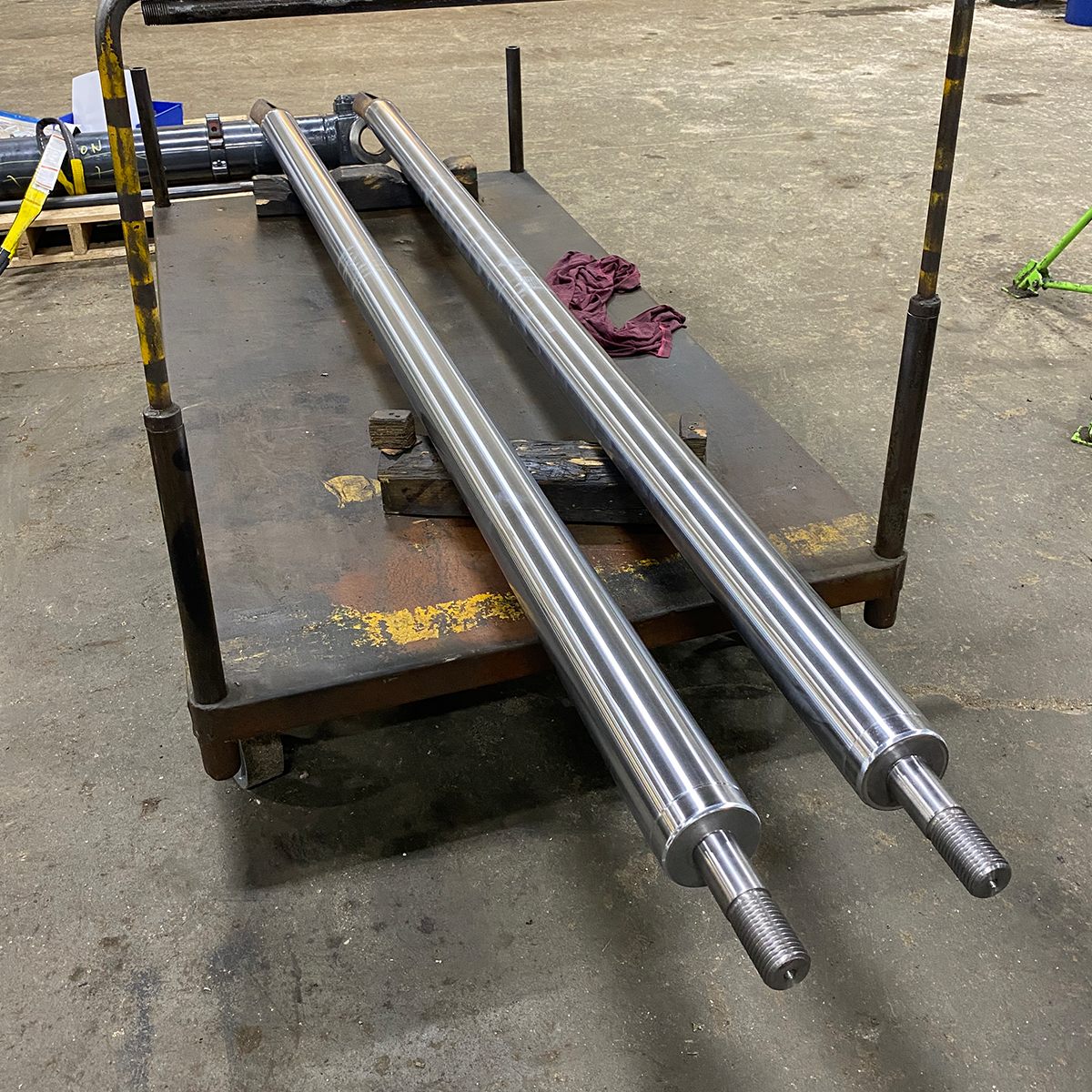
Heavy equipment is built to work in some of the toughest environments imaginable. From muddy construction sites and dusty gravel pits to freezing winter conditions and corrosive industrial settings, hydraulic systems are constantly exposed to elements that accelerate wear and tear.
At the centre of these systems are hydraulic cylinders, critical components responsible for lifting, pushing, pulling, and stabilizing heavy machinery. While hydraulic cylinders are designed for durability, harsh environments can dramatically shorten their lifespan if proper protection and maintenance practices are not in place.
Understanding how environmental conditions affect hydraulic cylinders can help equipment owners reduce downtime, avoid costly repairs, and extend the life of their machinery. Below, we’ll explore the most common environmental threats to hydraulic cylinders and the best ways to protect your equipment from premature failure.
Why Harsh Environments Are So Hard on Hydraulic Cylinders
Hydraulic cylinders operate under high pressure and tight tolerances. Even small amounts of contamination or surface damage can compromise performance and lead to leaks, pressure loss, or complete failure.
In harsh working environments, cylinders are exposed to a constant combination of:
Dirt and abrasive debris
Moisture and water intrusion
Salt and corrosive chemicals
Extreme temperatures
Heavy vibration and impact loads
UV exposure and weathering
Over time, these conditions attack seals, rods, tubes, and internal components, increasing the likelihood of breakdowns and expensive repairs.
Common Environmental Causes of Hydraulic Cylinder Failure
1. Dirt, Dust, and Abrasive Debris
Construction, mining, forestry, and agricultural equipment often operate in dusty or muddy conditions. Fine particles can collect on cylinder rods and eventually work their way past seals into the hydraulic system.
Once contaminants enter the cylinder, they can:
Scratch rods and cylinder walls
Wear down seals
Contaminate hydraulic fluid
Reduce pressure efficiency
Accelerate internal corrosion
Dust and debris are particularly dangerous because contamination damage often develops slowly and goes unnoticed until major performance issues occur.
Protection Strategies
To reduce contamination-related failures:
Clean cylinder rods regularly
Replace worn rod wipers and seals promptly
Use protective boots or bellows when appropriate
Keep hydraulic fluid clean and properly filtered
Avoid storing equipment in excessively dusty environments
Routine inspections are especially important in industries where airborne particles are unavoidable.
2. Moisture and Water Intrusion
Water exposure is one of the most destructive forces for hydraulic systems. Heavy rain, snow, standing water, pressure washing, and high-humidity environments can all contribute to moisture entering the cylinder or hydraulic fluid.
Water contamination can lead to:
Internal rust and corrosion
Pitted cylinder rods
Seal degradation
Reduced lubrication
Freezing issues in cold climates
Corrosion weakens metal surfaces and creates rough areas that quickly destroy seals during operation.
Protection Strategies
Preventing water intrusion starts with proactive maintenance:
Inspect seals regularly for cracks or wear
Replace damaged wipers immediately
Use corrosion-resistant rod coatings when possible
Store equipment indoors whenever feasible
Monitor hydraulic fluid for signs of moisture contamination
In regions with snow, ice, or road salt exposure, regular cleaning becomes even more important to prevent corrosive buildup.
3. Extreme Temperatures
Hydraulic cylinders are heavily affected by both extreme heat and extreme cold.
Cold Weather Challenges
In cold climates, hydraulic fluid thickens, seals become less flexible, and condensation can form inside components. Equipment may experience:
Slower hydraulic response
Increased pressure strain
Brittle seals and cracking
Higher startup wear
Cold-weather startups are particularly stressful on hydraulic systems if machines are operated aggressively before fluids reach operating temperature.
Hot Weather Challenges
High temperatures can be equally damaging. Excessive heat causes:
Seal hardening and deterioration
Fluid breakdown
Increased friction and wear
Reduced lubrication performance
Overheated hydraulic systems often suffer from shortened seal life and internal component damage.
Protection Strategies
To manage temperature-related issues:
Use hydraulic fluids rated for your operating climate
Warm equipment gradually in cold conditions
Monitor system temperatures during heavy operation
Ensure cooling systems are functioning properly
Use temperature-resistant seals for demanding applications
Choosing the correct seal material and fluid viscosity can significantly improve performance in extreme climates.
4. Corrosion from Chemicals and Salt Exposure
Many heavy equipment applications expose hydraulic cylinders to corrosive substances such as:
Road salt
Fertilizers
Industrial chemicals
Marine environments
Wastewater and sludge
Corrosion attacks exposed metal surfaces, particularly cylinder rods. Once corrosion begins, seals wear rapidly as they move across roughened surfaces.
Even minor corrosion can create fluid leaks and pressure loss over time.
Protection Strategies
To minimize corrosion damage:
Wash equipment regularly after exposure to corrosive materials
Apply protective coatings where appropriate
Use stainless steel or specially coated rods in aggressive environments
Inspect rods frequently for pitting or rust formation
Address surface damage early before it worsens
Preventative cleaning is one of the simplest and most effective ways to protect hydraulic cylinders in corrosive environments.
5. Heavy Shock Loads and Vibration
Hydraulic cylinders on dozers, excavators, cranes, and mining equipment are frequently exposed to intense vibration and sudden impact loads. Over time, these forces can cause:
Bent rods
Cracked welds
Loose mounting points
Seal displacement
Internal misalignment
Shock loading is especially common when equipment is operated aggressively or beyond its intended capacity.
Protection Strategies
Reducing vibration-related damage involves:
Inspecting mounting hardware regularly
Ensuring cylinders are properly aligned
Avoiding excessive overloading
Training operators on smooth equipment operation
Addressing unusual vibration immediately
Routine inspections often catch alignment or mounting issues before major cylinder damage occurs.
The Importance of Preventive Maintenance
The harsh realities of heavy equipment operation make preventive maintenance essential. Waiting until a hydraulic cylinder fails completely often leads to:
More extensive damage
Longer repair times
Increased downtime
Higher repair costs
A proactive maintenance program helps identify early warning signs before they escalate into catastrophic failures.
Key preventive maintenance tasks include:
Inspecting rods for scratches, corrosion, or pitting
Monitoring seals for leaks or deterioration
Checking hydraulic fluid condition
Cleaning cylinders regularly
Testing system pressure and performance
Replacing worn components before failure occurs
Consistent maintenance not only improves reliability but also extends the overall lifespan of expensive equipment.
Why Professional Hydraulic Cylinder Repairs Matter
When hydraulic cylinders fail in harsh environments, quality repairs are critical. Simply replacing seals without addressing underlying contamination, corrosion, or alignment problems often results in repeat failures.
A professional hydraulic repair shop will:
Fully disassemble and inspect the cylinder
Identify root causes of failure
Restore or replace damaged rods and components
Install high-quality seals suited for the environment
Pressure test the cylinder before returning it to service
Working with experienced technicians ensures your repaired cylinder is ready to withstand demanding operating conditions.
–
Harsh environments are unavoidable in many industries, but premature hydraulic cylinder failure doesn’t have to be. Dust, moisture, extreme temperatures, corrosion, and vibration all place significant stress on hydraulic systems, but with the right maintenance practices and repair support, equipment owners can dramatically reduce downtime and repair costs.
Protecting hydraulic cylinders starts with routine inspections, contamination control, proper cleaning, and timely repairs. Investing in preventative maintenance today can prevent expensive failures tomorrow.
If your hydraulic cylinders operate in demanding environments, our team can help. From inspections and maintenance to complete rebuilds and emergency repairs, we provide the expertise needed to keep your equipment operating reliably in even the toughest conditions.